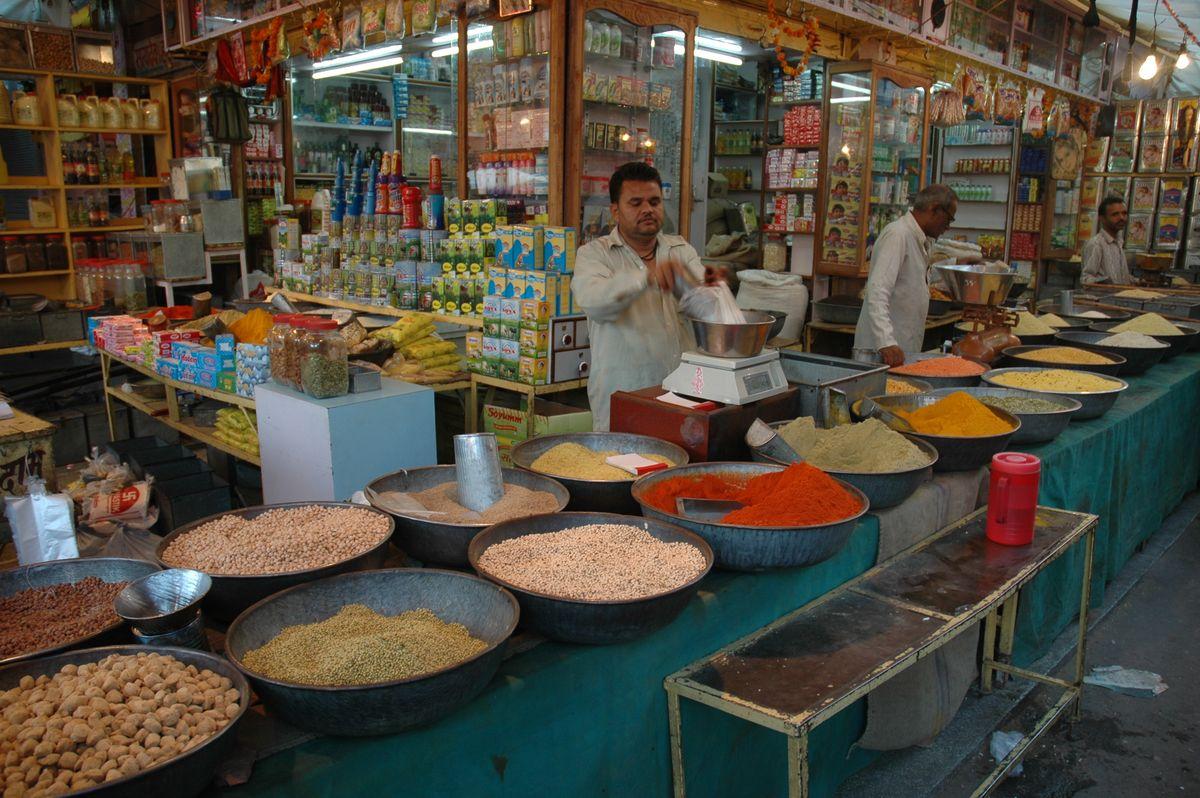
Most Indian spices trade in several grades, and the spread between grades of the same item is often wider than the spread between suppliers. Chilli is the clearest example: regular and Kashmiri types are different products, and within each type there are qualities separated by colour value, pungency and defect count.
Three things a comparable quote names
- The grade, in terms the trade recognises, not just the item name. "Coriander" tells you almost nothing; "coriander, split, badami quality" is a price you can check.
- The crop year. New crop and carried stock differ in colour, aroma and price, and a quote should say which you are getting.
- The terms and port, because a number without FOB or CIF and a named port is not yet a price.
Why we quote this way
When a buyer sends us a target price that seems impossible, the explanation is nearly always a grade mismatch rather than a supplier being generous. Quoting by grade and crop year makes offers comparable, and it protects both sides: you know what you are buying, and we are held to what we named.
If you are comparing quotes now and something looks too far apart, send us both. We will tell you plainly whether they describe the same product.
Put this to work on a real order.
Send the items, grades and destination port. We reply with a quote and a sample plan.